 Organic and Natural Cotton Color

The value of origin and identity is the topic at Maison BAZAAR in Paris
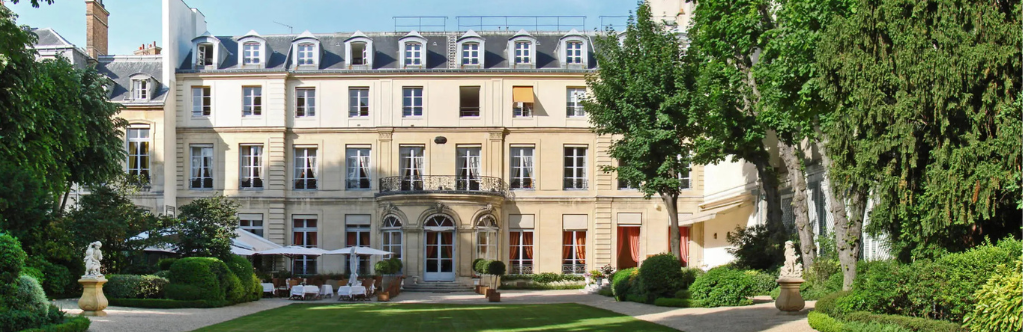
Natural Cotton Color had a prominent place at Maison BAZAAR during Paris Fashion Week. On September 29 and 30, the Maison de l’Amérique Latine hosted the event, which brought together Brazilian brands, creators, and entrepreneurs in a program covering fashion, luxury, business, wellness, jewelry, and sustainability. In a panel on origin and identity, the brand from Paraíba took part in the 9th edition of the event during Paris Fashion Week. Maison BAZAAR in Paris is an event promoted by Harper’s Bazaar Brasil magazine, curated by Marcio Vicentini.
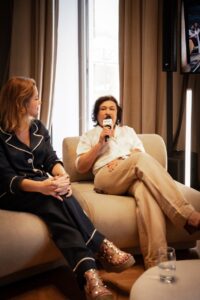
Natural Cotton Color was represented by its CEO, Francisca Vieira, who is also president of the Brazilian Association of the Sustainable Fashion Industry (Abrimos). On the first day of the event, she took part in the talk “The Value of Origin and Identity,” alongside Bianca Gibbon, founder of BG Bianca Gibbon, and Thayná Soares, creator of Thayná Caiçara. The conversation discussed how territory, repertoire, and identity can be turned into value in fashion.
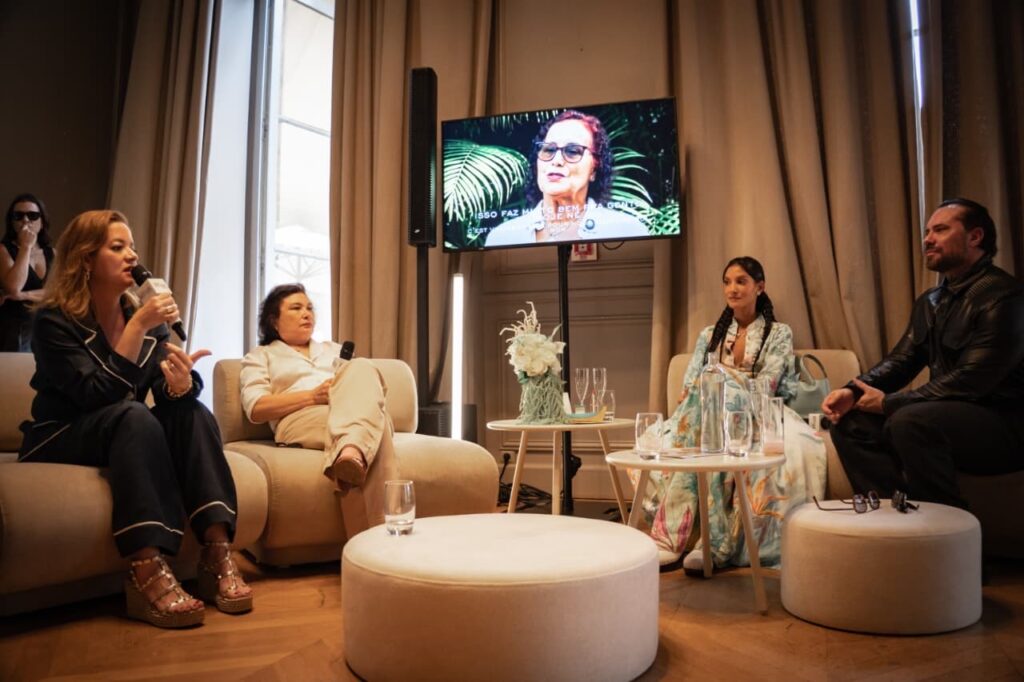
Francisca Vieira, CEO of Natural Cotton Color and president of Abrimos, took part in the talk “The Value of Origin and Identity” at the 9th edition of Maison BAZAAR in Paris.
For Natural Cotton Color, the theme describes its very operation. The organic colored cotton from the semiarid region of Paraíba grows naturally in shades ranging from beige to brown, as well as green, and is cultivated without irrigation by family farmers and traditional communities. Because it grows already colored, with no additives or dyes, it uses 87.5% less water than comparable products offered by the fashion industry.
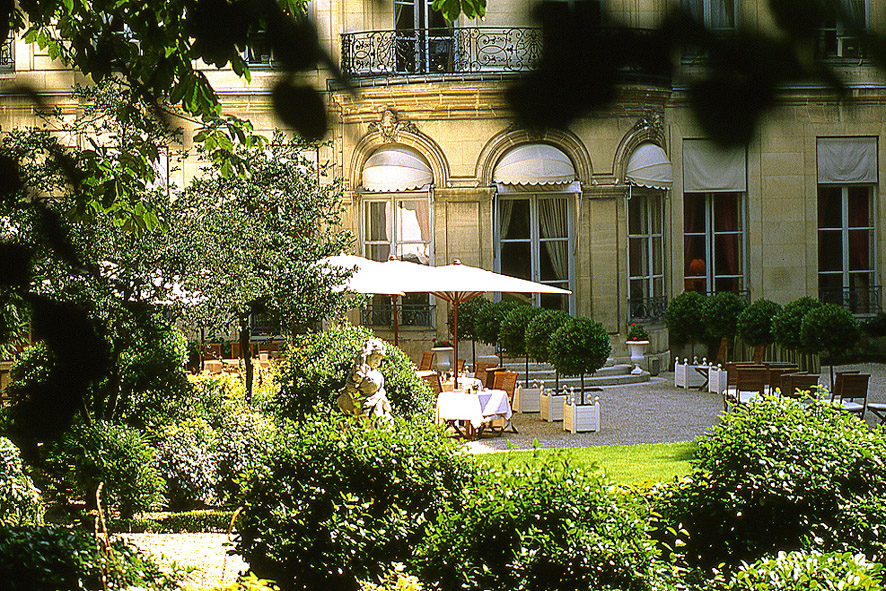
Maison de l’Amérique Latine (House of Latin America), located in Paris, covers an area of more than 6,700 square meters. The institution functions as a cultural, diplomatic, and exchange center.
“Being at Maison BAZAAR, in the middle of Paris Fashion Week, is a way of showing the world that origin and identity are differentiators. With Paraíba’s colored cotton, we prove that territory and repertoire are valuable assets for those who build brands with purpose,” says Francisca.
She stressed that origin and identity are what sustain the brand’s differentiation, the traceability of its supply chain, and the value perceived by international consumers. There is also textile innovation: Natural Cotton Color has been developing new yarns and fabrics for the sustainable fashion segment in partnership with textile manufacturers, including colored cotton and silk knits, flat fabrics such as colored, dye-free denim (which has been patented), and jacquards combining cotton in two colors.
 Recognized origin. Paraíba has been granted the Geographical Indication seal for colored cotton, under the Indication of Origin category, issued by Brazil’s National Institute of Industrial Property (INPI). The brand works with organic cotton certified by GOTS. The fiber was developed by Embrapa, and local handicrafts are incorporated into the design of the pieces. The products have yarn-level traceability through technology from R-Inove Soluções Têxteis.
Cultural preservation. Filet lace, Renaissance lace, bobbin lace, labyrinth embroidery, crochet, and macramé made by artisans from Ingá were featured in the collection presented in Milan. According to Francisca, handicrafts combined with contemporary design add value, strengthen the local production chain, and generate income, jobs, and social impact for the families involved in cotton cultivation.
Today, the brand sells to more than ten countries, including Japan, Germany, France, England, the United States, and Italy. In 2016, Paraíba’s colored cotton was the only Brazilian representative at Maison D’Exceptions, at Première Vision Paris, selected through the brand. For Francisca, global demand for products with environmental and social criteria, aligned with the UN’s 2030 Agenda, is driving this movement.
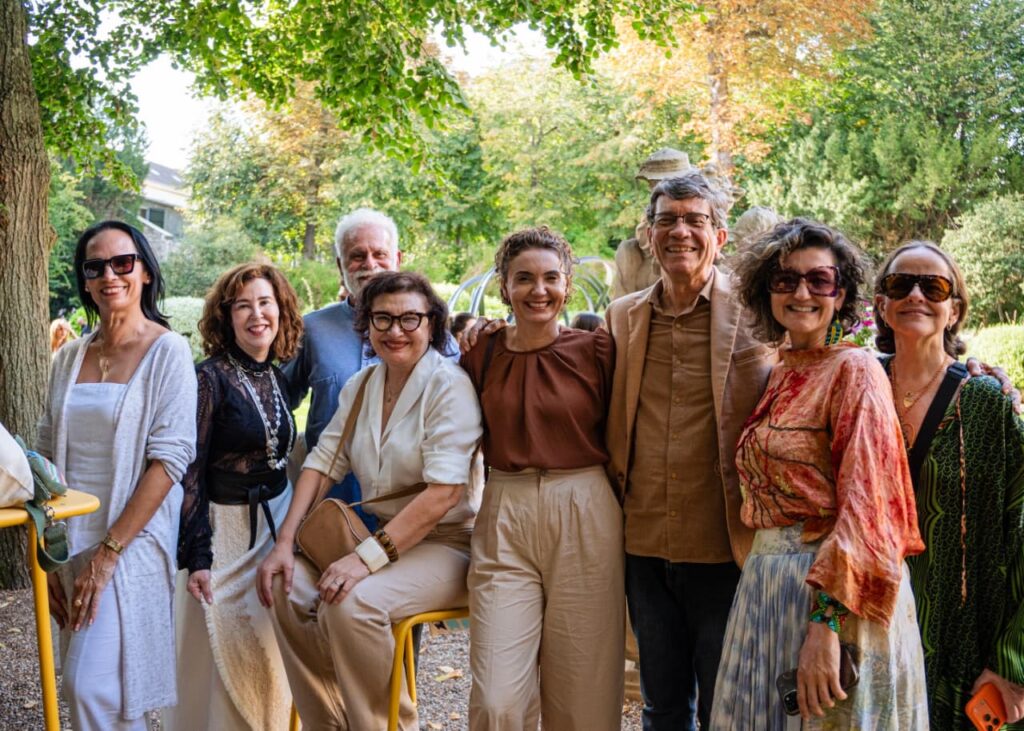
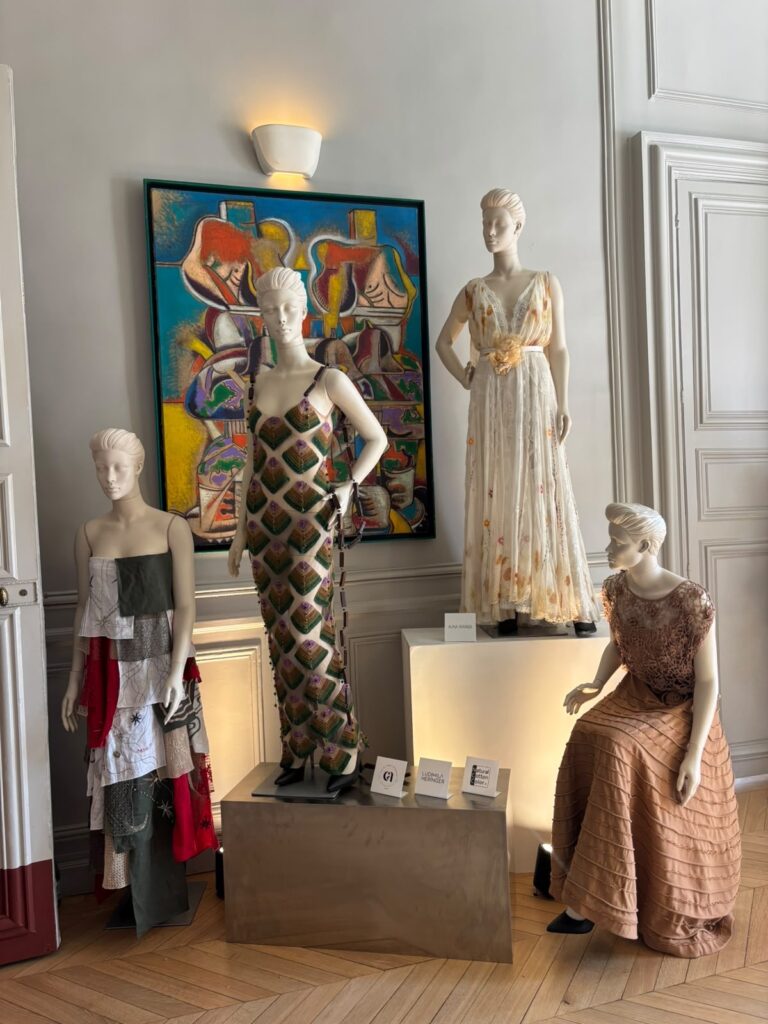
Francisca, of Natural Cotton Color, went to Paris with partners, Abrimos members, and supporters. The initiative also included a showcase of looks from the brands Camila Machado, Ludimila Heringer, and Alina Amaral.
Sustainability in focus
The brand also took part in the event’s sustainability area, alongside Alina Amaral, Camila Machado, and Ludimila Heringer, all connected to the Brazilian Sustainable Fashion event held in September during Milan Fashion Week, reinforcing its position as a reference in production that combines Brazilian identity with social and environmental responsibility.