 Organic and Natural Cotton Color

Natural Cotton Color honors 10 women who shaped the history of Paraíba in Milan
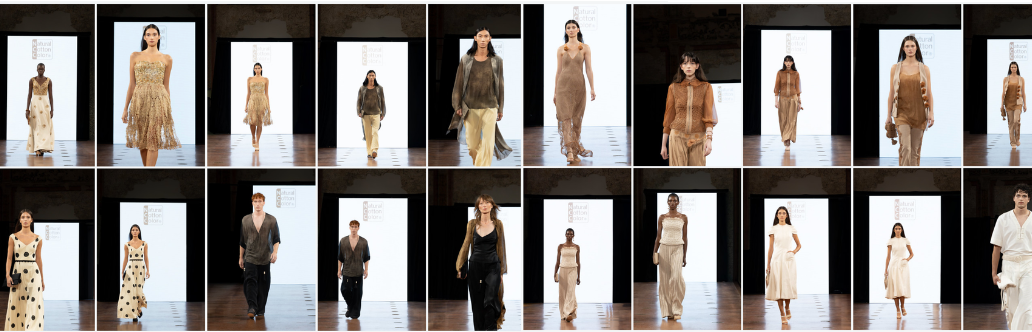
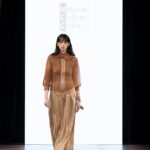
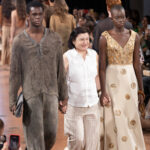
From September 22 to 24, Natural Cotton Color took part in Brazilian Sustainable Fashion in Milan, an event that combined a runway show and a showroom at the Chiostri di San Barnaba. In Italy, the sustainable fashion brand showcased Brazilian identity, cultural preservation, and textile science through a collection that pays tribute to 10 women who helped build the history and culture of Paraíba and who still influence the state today.
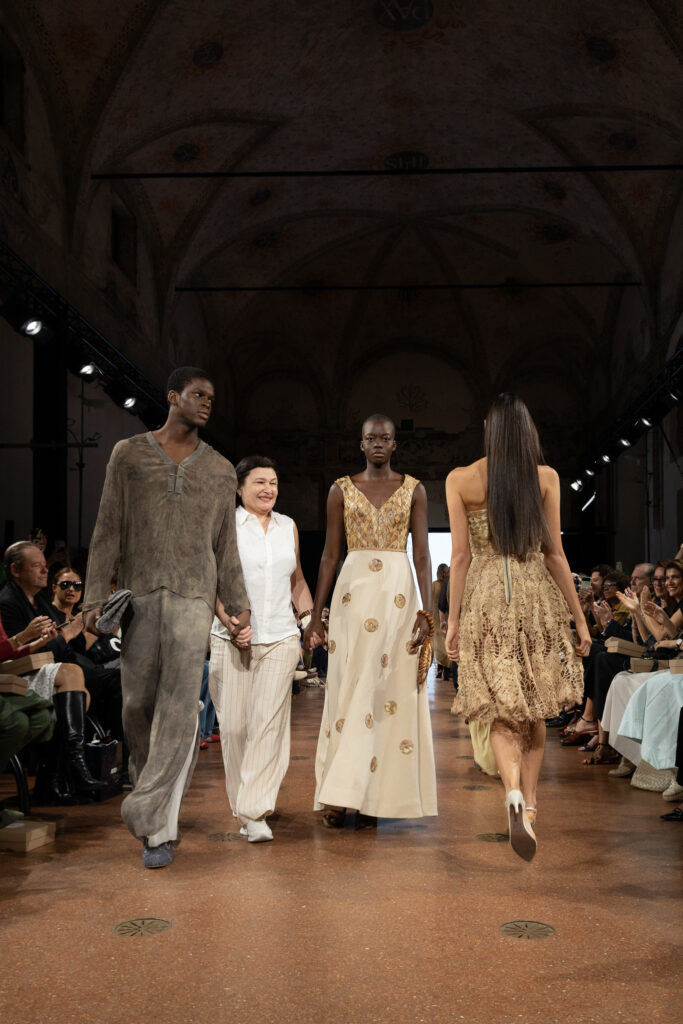
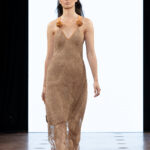
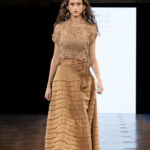
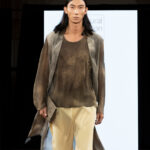
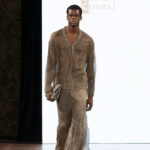
The collection features new textures and colors beyond beige and brown, the natural tones of organic colored cotton. It includes pieces made with straw, natural dyes, and prints made with mangrove mud. Mangroves are coastal forests that grow in muddy, salty waters where rivers meet the sea.
The collection Paraíba Be-a-Bá: Mulheres de Fibra (Paraíba ABCs: Women of Fiber) honored:
- Margarida Alves: A rural worker and the first woman to lead a labor union. She inspired the March of the Margaridas, the largest women’s mobilization in Latin America, organized by rural women workers to fight for food sovereignty and social rights.
- Anayde Beiriz: A teacher, poet, and activist, she was one of the strongest voices for women’s right to vote and for literacy among workers in the 1920s. As the only woman in the modernist-inspired literary group “Os Novos,” she challenged social conventions. Through her poems and her courage, she became a symbol of women’s emancipation.
- Elisabeth Teixeira: A peasant leader, teacher, and activist, she is a key reference for rural organizing and popular education. She was a central figure in the award-winning documentary Cabra Marcado para Morrer (Twenty Years Later) and received an honorary doctorate from the Federal University of Paraíba. She is one of the greatest symbols of citizenship in the country.
- Marinês: A singer and instrumentalist who moved to Paraíba as a child. In the 1950s, she became the first woman to lead a forró band in Brazil. Known as the “Queen of Xaxado,” she broke barriers in a genre traditionally dominated by men.
- Zabé da Loca: A master of the pífano (a traditional Brazilian fife) and a symbol of resistance, she was awarded the Order of Cultural Merit.
- Luiza Erundina: A social worker, teacher, and politician, she was the first woman to govern São Paulo, the country’s largest city. As a federal congresswoman, she became a historic reference in the Brazilian Legislature, winning 31 trophies at the Congresso em Foco Awards, recognized by a technical jury, journalists, and popular vote.
- Zezita Matos: An actress, teacher, and cultural manager, she is known as the first lady of Paraíba theater and the mother of Northeastern cinema. She was the first woman to direct the Theatro Santa Roza in João Pessoa and served as president of the Paraíba Academy of Cinema. She has shone in national productions and won the Guarani Trophy, one of the most respected honors from Brazilian film critics.
- Cátia de França: A singer, songwriter, and writer, she is the daughter of Adélia de França, the first Black educator in Paraíba. She blended literature and roots music with the energy of rock, and her body of work has been recognized as Intangible Heritage of the State. A Master of the Arts, she received an honorary doctorate from the Federal University of Paraíba and a Latin Grammy nomination.
- Marcélia Cartaxo: An actress and director, she was the first Brazilian woman to win the Silver Bear for Best Actress at the Berlin Film Festival, for her unforgettable performance in A Hora da Estrela (The Hour of the Star). She also received the Oscarito Trophy for her lifetime body of work and is one of the most celebrated figures in Brazilian independent and auteur cinema.
- Tarciana Medeiros: An administrator, teacher, and banker, she is the first woman to lead Banco do Brasil in its 218 years. With two decades of experience at the institution, she was named by Forbes one of the most powerful women in the world. A defender of sustainability and inclusion, she was awarded the Order of Rio Branco at the Grand Cross level.
At the center of the collection was GOTS-certified organic colored cotton in natural beige and brown tones. This season, the brand introduced exclusive fabrics made with the fiber, including its patented denim, jacquard, and knits blended with silk and with Lycra. It also expanded its color range with black-dyed silk and botanical prints. See all the looks at this link

A Palette Born from the Earth
Natural Cotton Color’s palette has always focused on the natural tones of the cotton itself: beige, brown, and green, with no dyeing process. In this collection, the brand expanded that range with new natural dyes. The big highlight was black, extracted from the leaves of the castanhola tree. The research also led to prints made with mangrove mud, which echo the colors of the sertão (Brazil’s semi-arid backcountry) and bring the fertility of Paraíba’s coastal waters to the fabrics.
The result was a visual blend of the strength and sobriety of the sertão with the natural richness of the coast. Handmade embroidery and lace completed the looks, bringing together the know-how of artisan communities and contemporary design. The collection was designed by Francisca Vieira, the brand’s CEO, and designer Leo Mendonça.
“The show proved that our fashion comes from the union of innovation and identity, with respect for the land, for artisanal traditions, and for the women who build our history and our culture,” said Francisca.
Colored Cotton: Low-Impact Innovation
 Natural Cotton Color is built around a rare raw material: organic cotton that grows naturally in color and is woven without any dyeing. Certified by the Global Organic Textile Standard (GOTS) in 2026, it is grown in the Paraíba sertão by family farmers, without irrigation. This cuts water use in production by 87.5% and strengthens the income of small local producers.
The brand has also had collections certified by the European Friend of the Earth label since 2021. It developed and patented an exclusive denim, as well as a version with silk threads in the weave, which reimagines the traditional toughness of denim and makes it light and sophisticated. Other developments include a silk-blend knit and a jacquard woven in two natural cotton tones.
Partnerships and Support
On the runway and in the Milan showroom, Natural Cotton Color presented a blend of family farming, craftsmanship, and design: the Brazil that produces innovation and textile science. The collection also featured collaborations on footwear with Virginia Barros and Pacoa, bags by Makano, accessories by LBF, knits by Texpar, and fabrics by Ecosimple, with sponsorship from Círculo yarns.
The Milan event was supported by ApexBrasil through the TexBrasil program, led by the Brazilian Textile and Apparel Industry Association (Abit) and the Brazilian Sustainable Fashion Industry Association (Abrimos). Support also came from Itacoop, Sebrae, Senai, and FIEPB, which are institutions based in Paraíba.